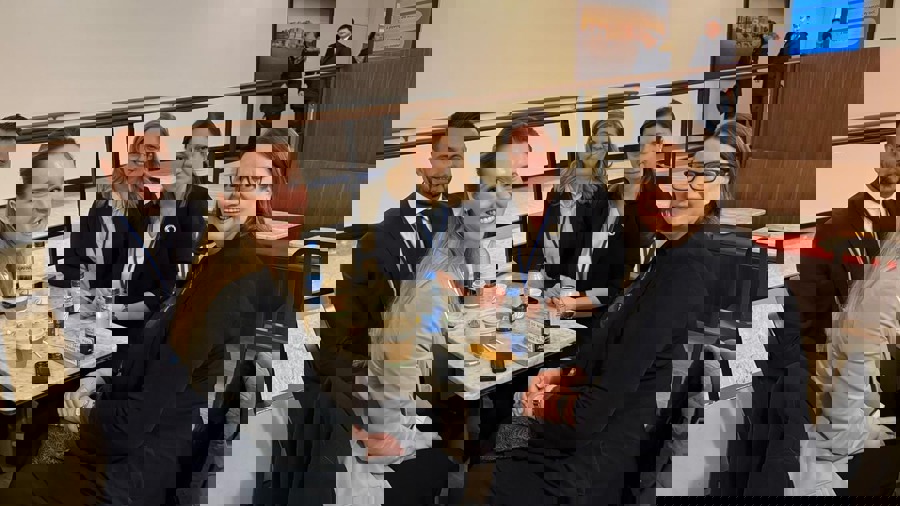
INSTAT participates in the 57th Session of the United Nations Statistical Commission
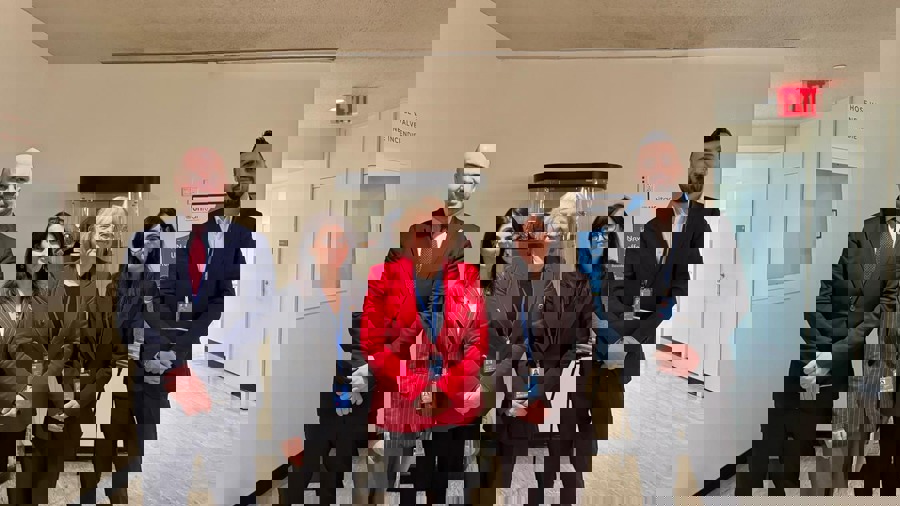
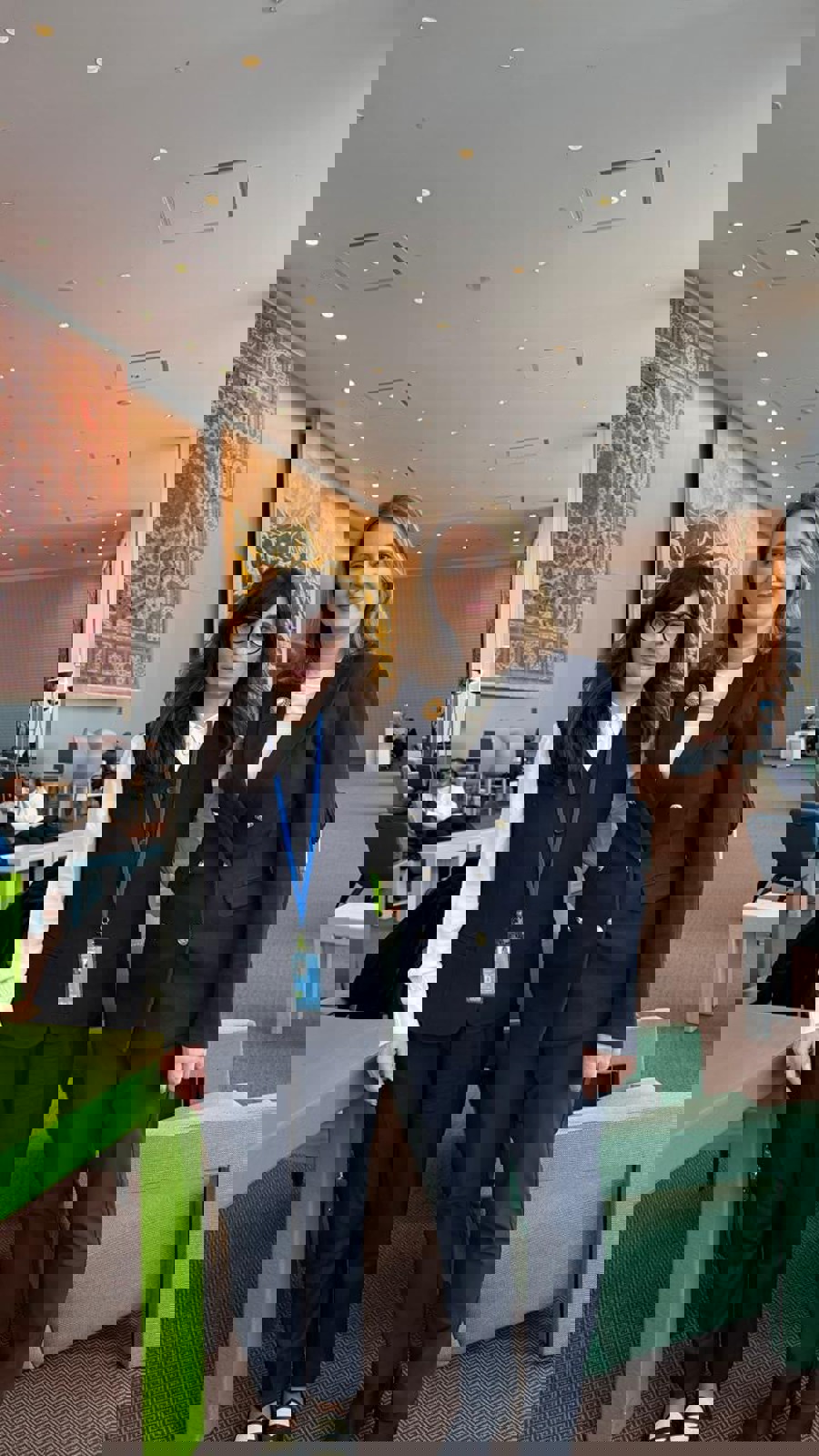
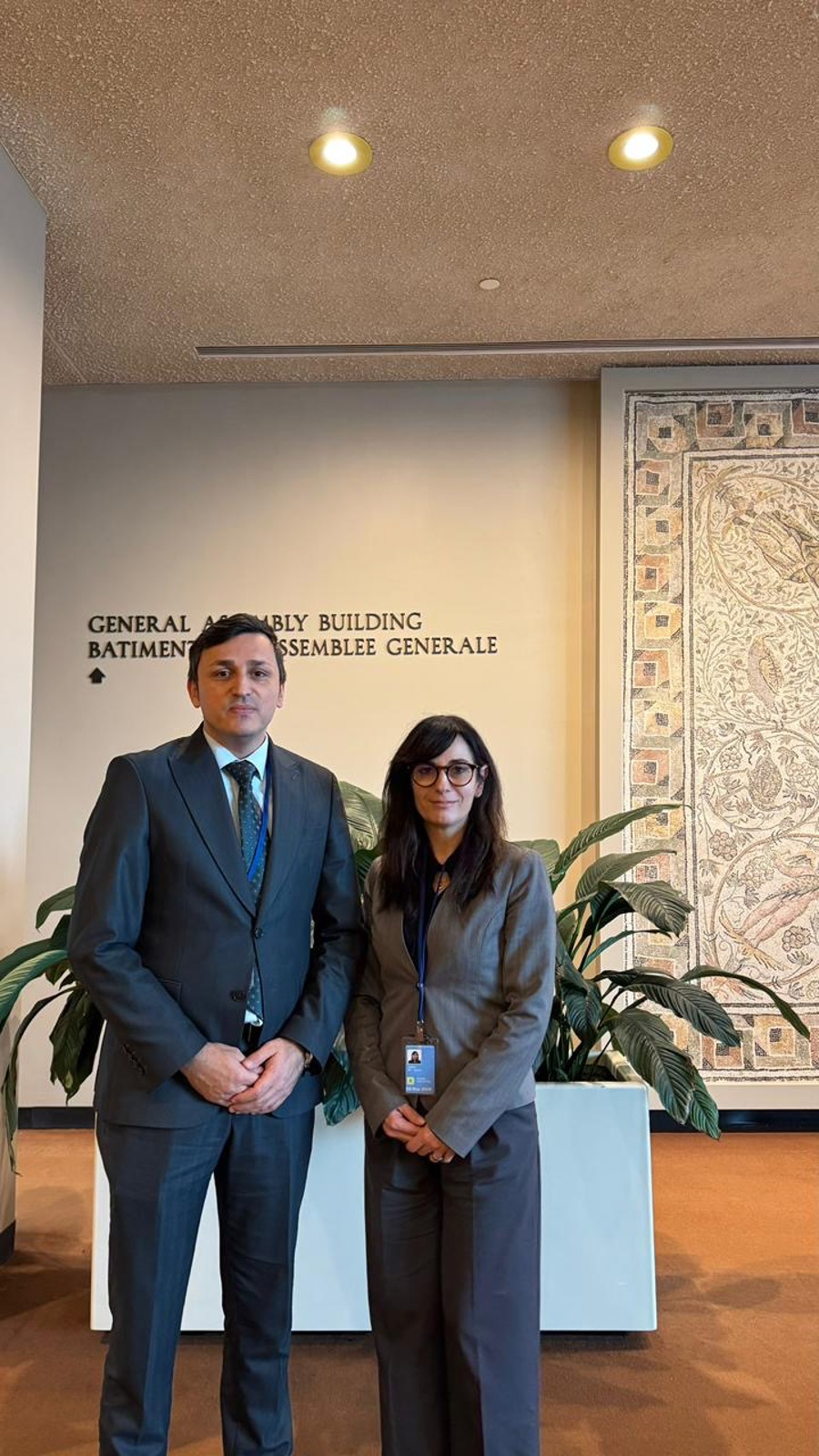
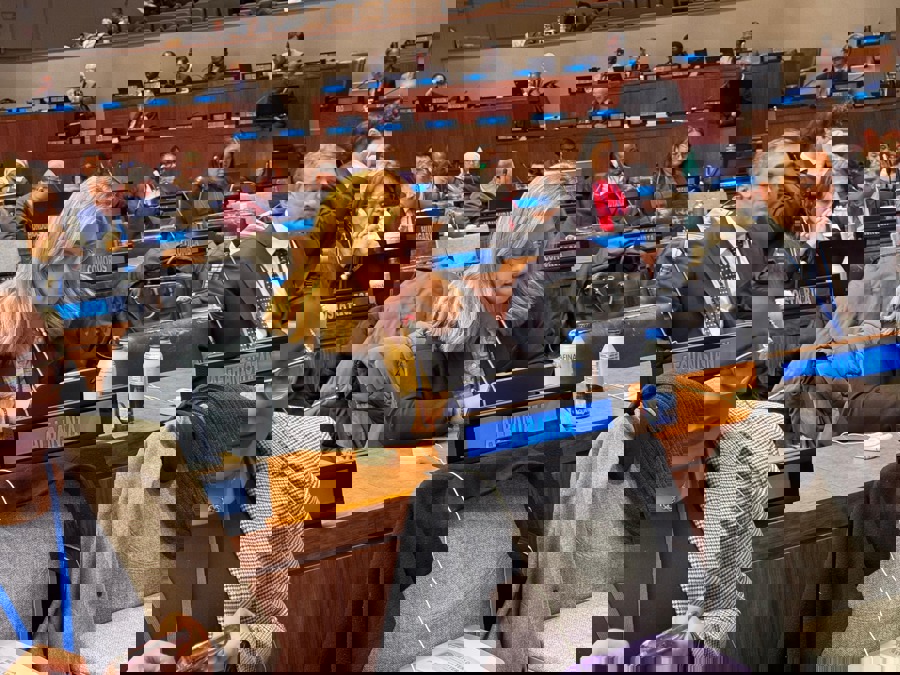
The Albanian Institute of Statistics (INSTAT) participated in the 57th Session of the United Nations Statistical Commission, held at the headquarters of the United Nations in New York City. The session brought together national statistical offices and international organisations to discuss the future priorities of official statistics and strengthen international cooperation.
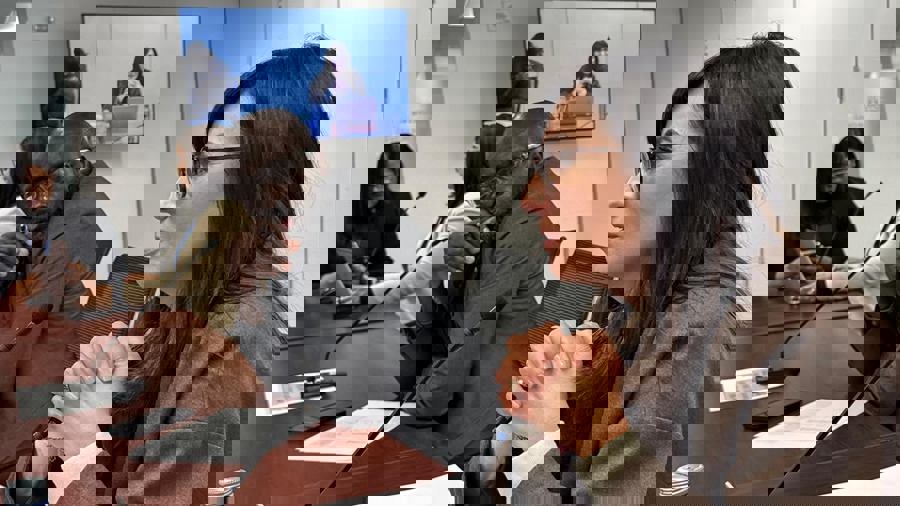
Through active participation in plenary discussions, side events and bilateral meetings, the Albanian delegation contributed to key global statistical debates while reinforcing Albania’s role in the international statistical community.
The Commission addressed major topics shaping the future of official statistics, including social and demographic statistics, population and housing statistics, health statistics, national accounts, agricultural and rural statistics, data governance and monitoring of the Sustainable Development Goals (SDGs). The Albanian delegation actively participated in these discussions, contributing national experiences and perspectives on areas such as SDG indicators, data dissemination and open data, gender statistics and the use of data science in official statistics, while engaging in global efforts to improve statistical methodologies and data governance.
As a member of the High-Level Group for Partnership, Coordination and Capacity Building for Statistics for the 2030 Agenda for Sustainable Development (HLG-PCCB), Albania also participated in the 41st meeting of the HLG-PCCB, where members discussed global data partnerships, coordination of statistical efforts for the 2030 Agenda and preparations for the upcoming United Nations World Data Forum.
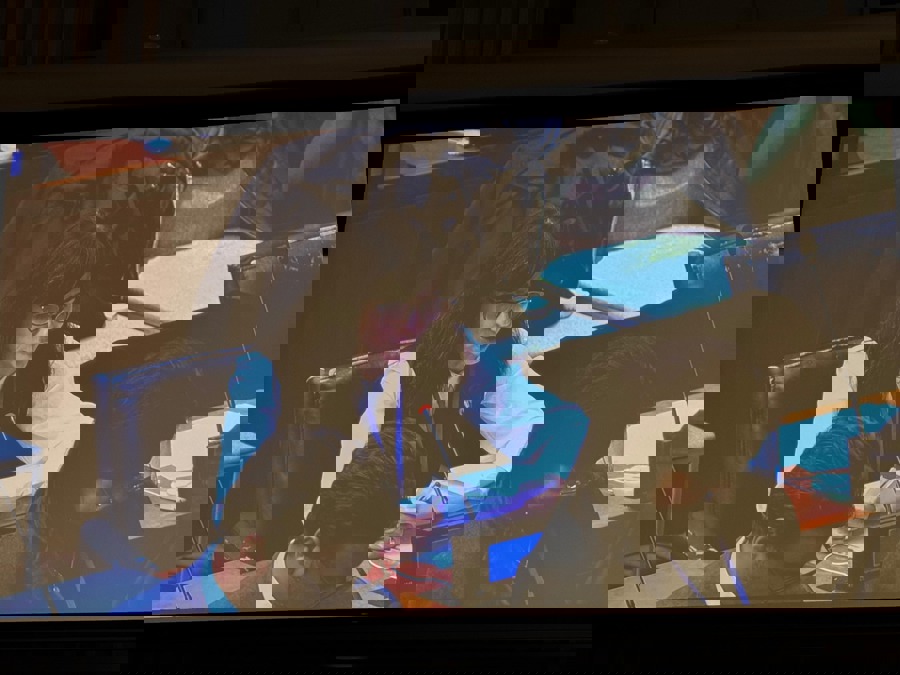
As part of the events surrounding the Commission, INSTAT representatives contributed as speakers in the side event “Measuring the gender-related killing of women and girls: guidance for implementation and adaptation to the digital environment”, organised by UN Women and the United Nations Office on Drugs and Crime (UNODC). The presentation highlighted methodological approaches, institutional coordination and key lessons learned from implementing the UN Women and UNODC statistical framework at the national level.
The delegation also participated in several side events and technical discussions organised throughout the Commission week, including the Friday Seminar “AI Readiness for Official Data and Statistics” and the High-Level Forum “Official Statistics Beyond GDP: Rethinking Progress in a Changing World.” These discussions focused on how emerging technologies, particularly artificial intelligence, can support the production and dissemination of official statistics and on the need to develop indicators that better capture social, environmental and economic progress beyond traditional GDP measures.
Participation in these sessions provided valuable insights into data innovation, digital transformation and the modernisation of statistical production, contributing to ongoing efforts to strengthen and future-proof statistical systems.
The week also provided opportunities for bilateral meetings with the Permanent Mission of Albania to the United Nations, national statistical offices and international organisations including FAO, OECD, IMF, Switzerland, Italy, UNSD, France, Kyrgyzstan, Sweden and North Macedonia.
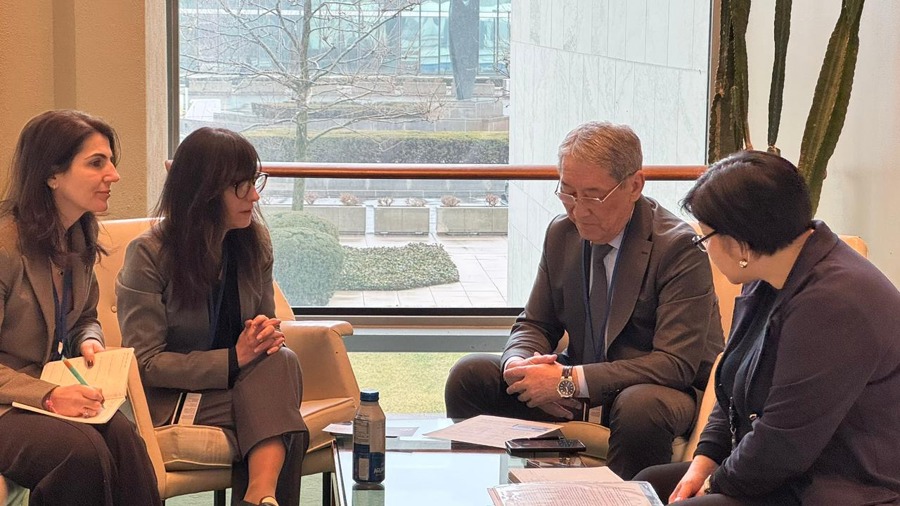
A bilateral meeting was held with the Director-General of Eurostat, Mrs. Mariana Kotzeva, in the context of Albania’s EU integration process, to further strengthen collaboration on alignment with European statistical standards.
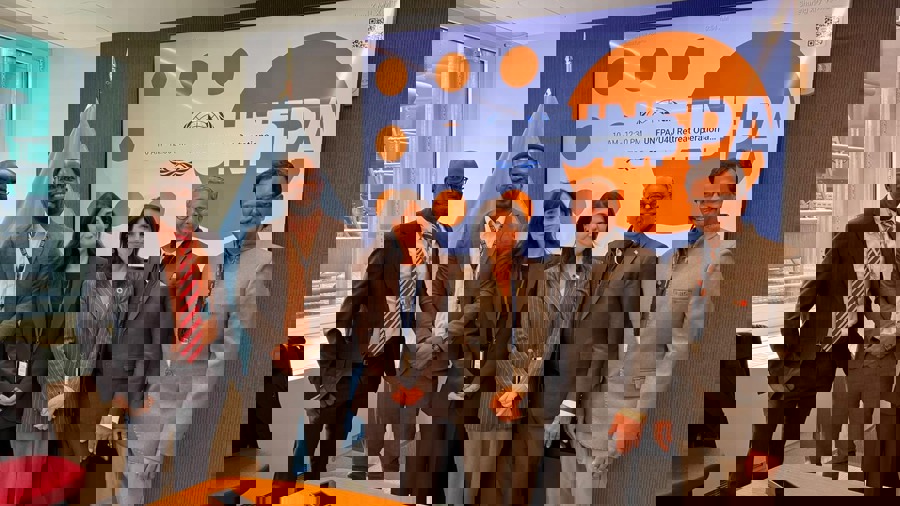
The delegation also met with Ms. Suela Janina, Permanent Representative of Albania to the United Nations, as well as with representatives of the United Nations Population Fund (UNFPA) and UN Women to discuss ongoing cooperation and future collaboration in areas related to population and social statistics.